-
186-1725-6098
-
hmcs@huamaoleather.com



Technological Trends and Industry Challenges in Leather Applications
1、Lightweight Design
Lightweight synthetic leather materials, such as PU foam layers combined with non-woven fabric substrates, can reduce weight by 40%-50% compared to traditional materials, helping new energy vehicles (NEVs) improve their driving range.
2、Eco-Friendly Transformation
- Green Manufacturing Processes: Techniques like hair-saving unhairing, sludge recycling, and chrome-free tanning are adopted to minimize pollution.
- Circular Economy: Enzymatic hydrolysis recycling enables 100% regeneration of leather waste, as demonstrated by Faurecia’s modular solutions developed in collaboration with chemical companies.
3、Smart Integration
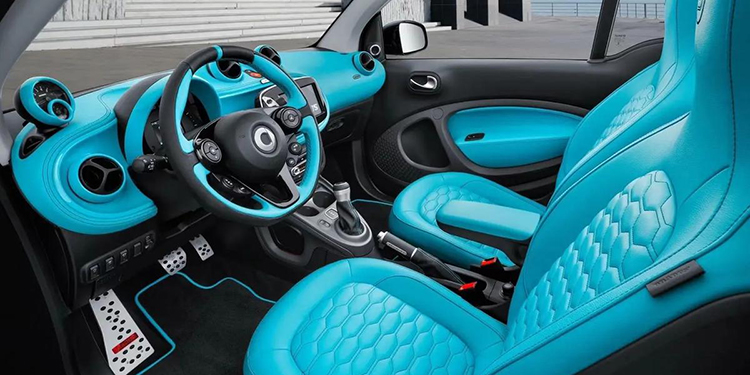
The integration of leather with intelligent modules (e.g., heated/ventilated seats) drives cabin evolution toward a “third living space” experience, meeting the demands of cockpit transformation following the widespread adoption of Level 4 autonomous driving.
4、Industry Challenges
- Cost Pressures: High costs of genuine leather and the need to balance performance with affordability for synthetic alternatives.
- Technological Disruption: Synthetic biology may revolutionize traditional tanning processes (lab-grown leather is projected to reach cost parity with natural leather by 2028).
- Supply Chain Barriers: Strict quality, environmental, and technical evaluations by automakers create high entry barriers for new suppliers.