-
186-1725-6098
-
hmcs@huamaoleather.com



Tariffs Will Drive Significant Price Hikes for U.S. Leather Goods
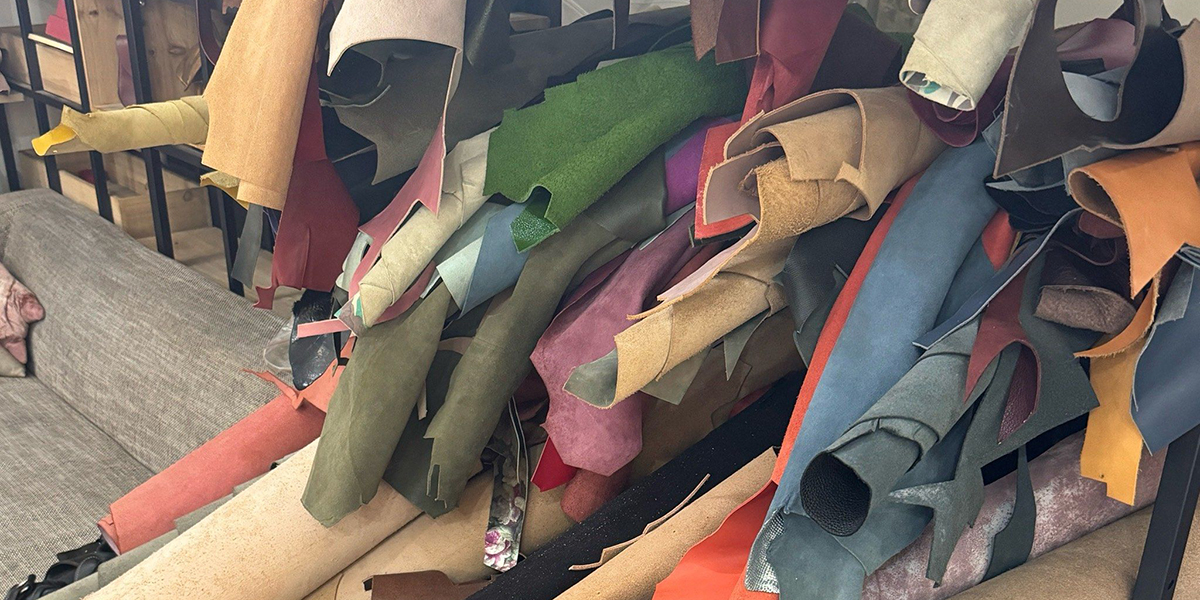
The U.S. tariff policy and its resulting supply chain disruptions have pushed up the prices of leather goods such as boots and handbags in 2025. Over the next two years, the prices of leather goods in the U.S. are expected to continue to rise significantly due to tariffs and a decline in the number of cattle raised domestically. Here is an abstract of the article:
Texas Joyfoot Footwear, a U.S. shoemaker renowned for producing western-style boots, found itself in chaos overnight in April this year following the announcement of the tariff policy by the Trump administration. Affected by soaring import costs for finished boots and logistical disruptions, the company’s employees had to recalculate profit margins on an hourly basis at one point. The experience of Texas Joyfoot Footwear is not an isolated case; other leather goods retailers in the U.S. are facing similar challenges.
Tapestry, Inc., a U.S. group that owns handbag brands such as Coach, informed investors in August this year that its total tariff-related expenses could reach $160 million and warned that the negative impact of tariffs on the company’s profits would be greater than previously anticipated.
Industry experts say that as pre-tariff import inventories are depleted, products now on the shelves have to use more expensive leather materials, and foreign processing and freight costs have both increased. The consequence of high tariffs is that retail prices for leather goods are rising and are unlikely to decline in the short term. The Yale Budget Laboratory in the U.S. predicts that due to factors such as inflation, supply chain bottlenecks, and high tariffs, the prices of leather goods in the U.S. will rise by nearly 22% over the next one to two years at least.
John Rico, the associate director for policy analysis at the Yale Budget Laboratory, stated that the U.S. leather industry will face even more significant price shocks in 2026, and relevant companies will need to make decisions on whether to pass on the rising costs to consumers and on job cuts.
Prasad Reddy, the CEO of Texas Joyfoot Footwear, said that the tariff policy and its resulting supply chain disruptions have hurt many companies, with almost every leather enterprise paying more for every link in the production process.